This article was co-authored by Kristin Keen and Elaine Noble.
Graphic design is about making information functional as well as visually pleasing. In the context of legal marketing, it plays an important role in building your firm’s brand. By using a specific set of colors, fonts and images, instilling a clear hierarchy, and presenting content in a logical flow or pattern, you can make a statement with the whole presentation (whether it’s a practice brochure or a website) that is more than the sum of its parts.
Trends in graphic design and how it is used are continually evolving. Just like the firms we serve, design is influenced by our changing culture, advances in technology, and the state of our economy. It’s human nature to adapt and to react to the world around us, and graphic design is an expression of that. Here are just a few trends that you may or may not have seen. It’s very likely that you will be affected by more than a few of these in 2014.
1. Minimalism
The focus is on simplicity in design for both print and web. Here are some ways to keep it clean:
- Eliminate everything that’s not necessary – this will increase the importance of what remains.
- Use flat design elements with little to no drop shadows or gradients
- Choose a single large image over multiple smaller ones for greater impact
- Remember that white space is a good thing
- Employ thin-weight sans serif or semi serif fonts for text. Here are just a few resources for free fonts:
http://www.fontsquirrel.com
http://www.dafont.com
http://www.google.com/fonts
2. Storytelling:
As attention spans grow shorter, the rise of short, deliberate messages has increased exponentially. Two minute and longer videos are becoming relics of the past in the age of Vine. Five-to-seven second storytelling is the wave of the future, but it’s hard to tell how legal marketing can embrace the trend.
3. Print and Technology Integration:
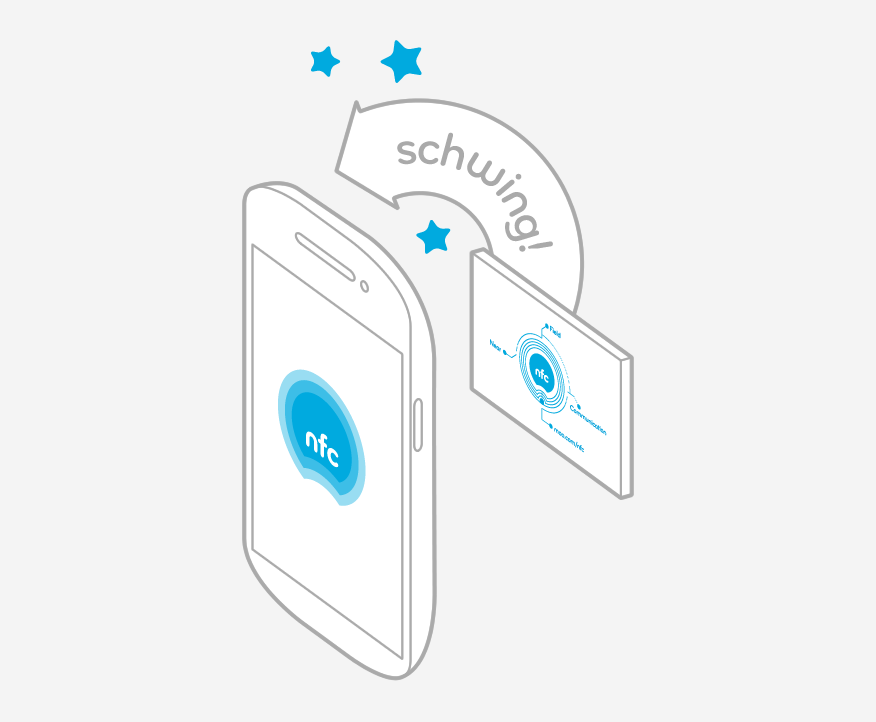 NFC or “Near Field Communication” is a wireless technology that allows electronic devices like NFC-enabled mobile phones and laptops to interact and communicate at short range with a swipe or tap. This is the same technology you may have noticed popping up in stores where you can pay with a swipe of your cell phone. NFC business cards are traditionally printed, but contain a hidden NFC tag inside that can be programmed to automatically update an address book, launch a video, or open a webpage, among other functions. Currently, most Android and Blackberry devices are NFC-enabled, but Apple has continued to shun the technology. Could the future see the rise of the NFC business card, or even NFC brochures? Only time will tell.
4. Dynamic Presentations
Death by PowerPoint is a common occurrence, but if you have the flexibility (and forward-looking attorneys), you may be able to try some other options. Able and willing to use Flash? Try out Prezi.

But if you can’t quite get away from standard presentation fare, be sure to check out Nancy Duarte’s Slide:ology – a great way to breathe new life into your slide deck.
5. Infographics:
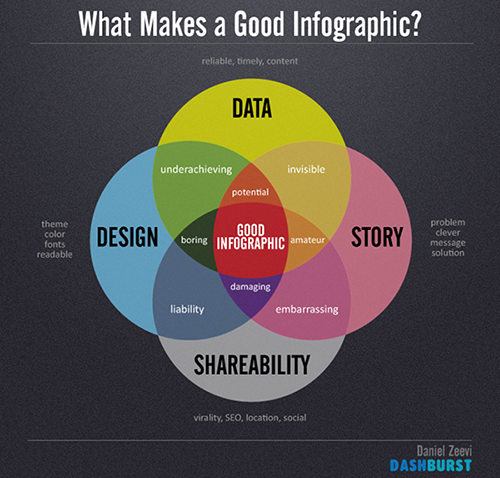
More popular than ever. Think of creative ways to illustrate your point.
6. Hand-crafted vector art
Sometimes we can forget that there are real people behind the images we use in collateral and on our websites. Brand-allowing, one of the best ways to remind yourself and clients of this oft-overlooked fact is by finding ways to incorporate pieces of the trend towards authentic design by using hand-crafted vector art. This art can be personalized and allow your images to truly pop.
7. Visual Navigation for Websites
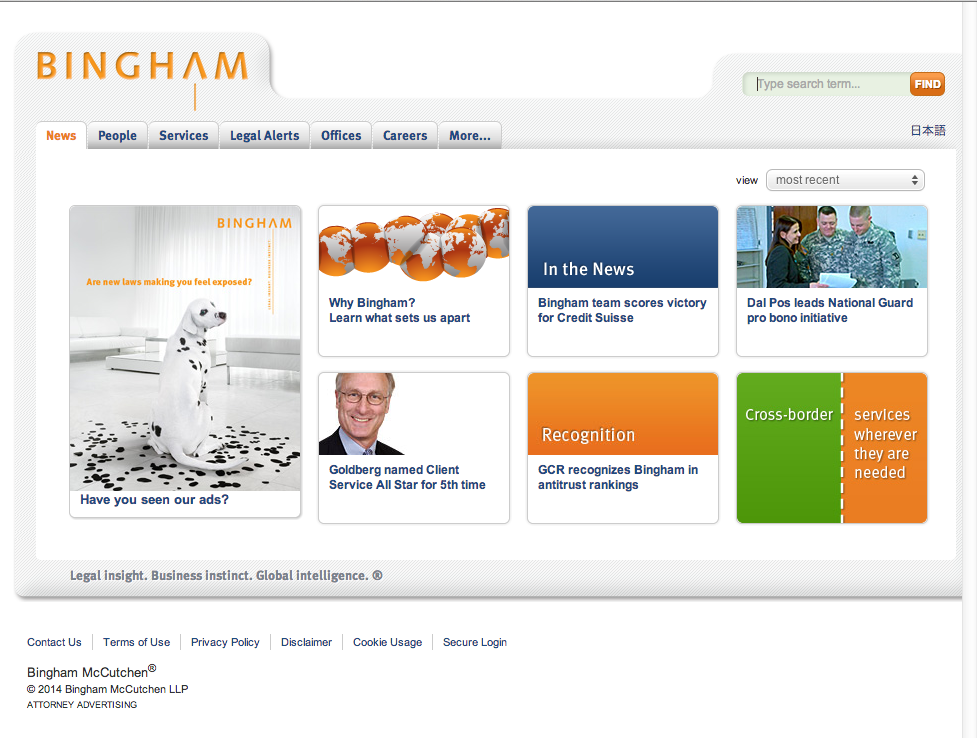
It’s not replacing the text-based navigation, but offering an alternate navigation that’s more focused on services or other specific content.
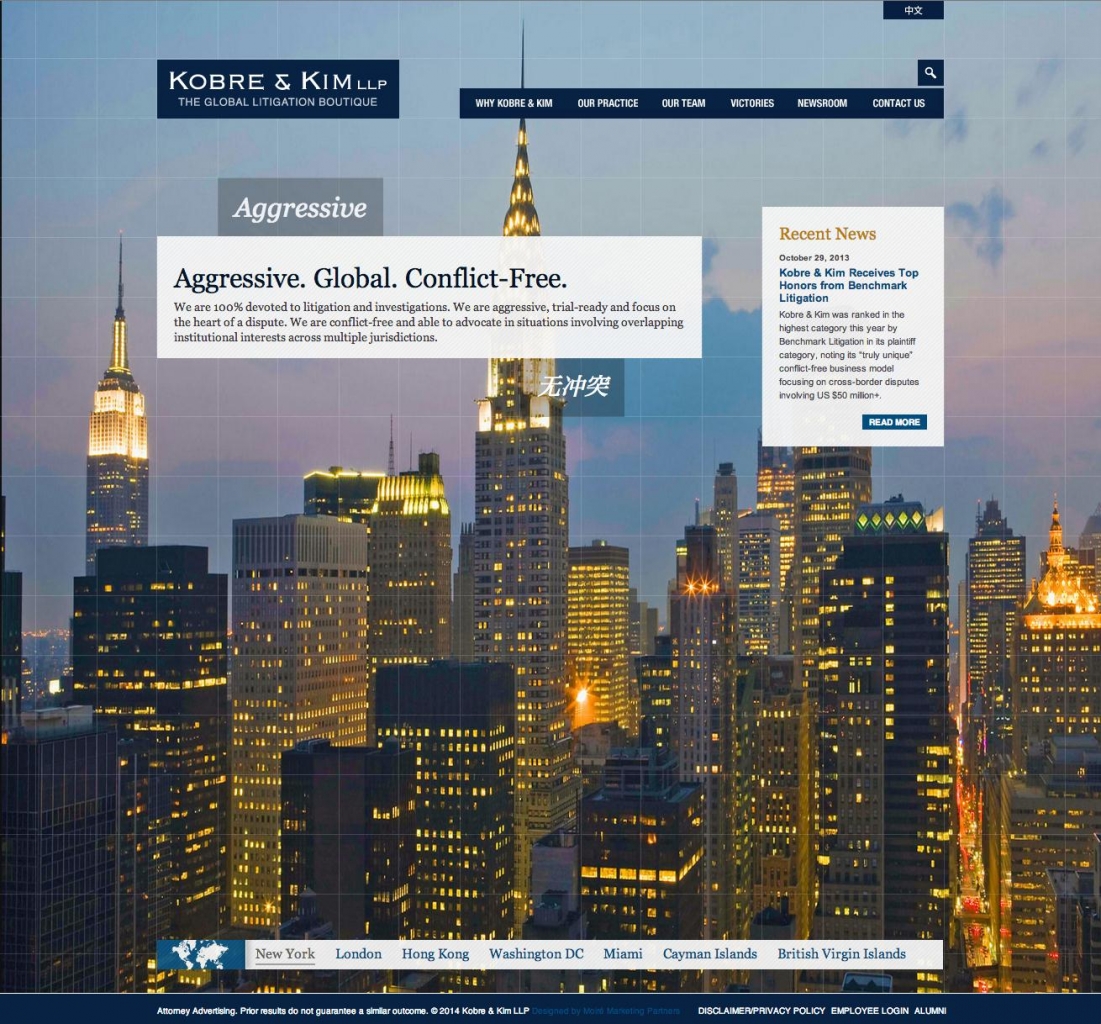
8. Single full-page image backgrounds.
This sleek website for Kobre & Kim (courtesy of Moire Marketing) has a rotating image in the background, but minimal text.
9. Use of website plug-ins
For WordPress alone, there are nearly 30,000 plug-ins available for designers and developers to use to enhance websites and blogs—but plugins aren’t just for WordPress. Plugins add functionality to existing websites and many are pre-designed with incorporated graphic elements such as social media buttons or an interface for viewing portfolio content or video. They can save time and money and have an impact on the design of a new or existing website. Next time your firm wants to add some functionality to your website, ask your developer if there’s a plugin for that.
10. Social Media page customization
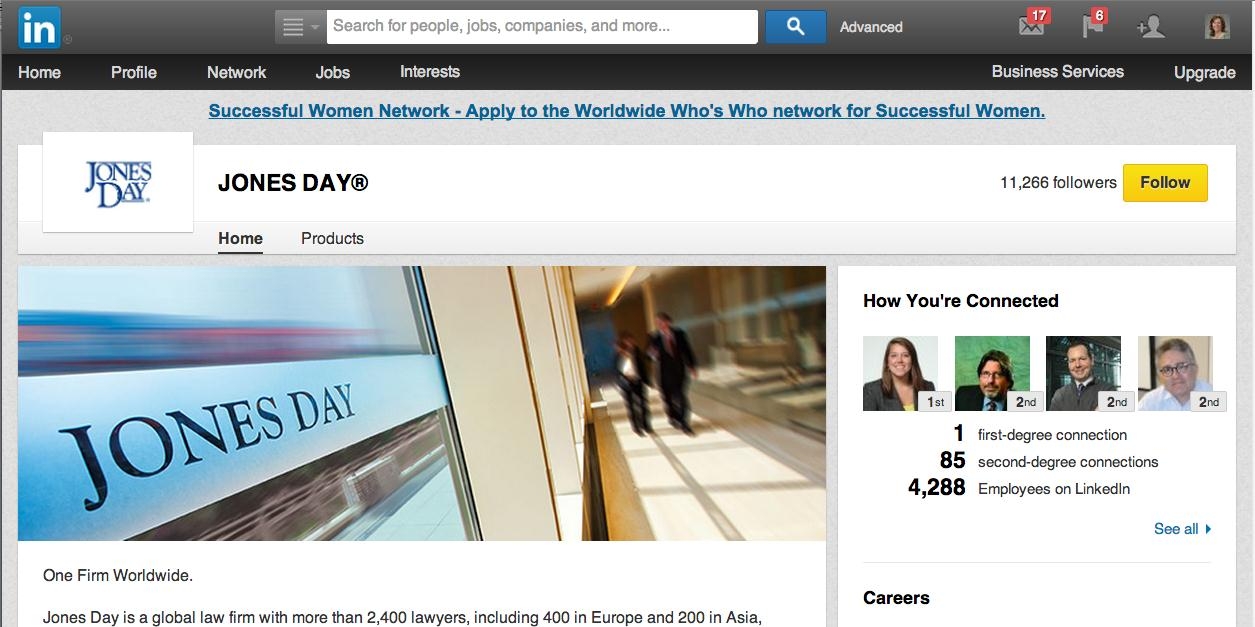
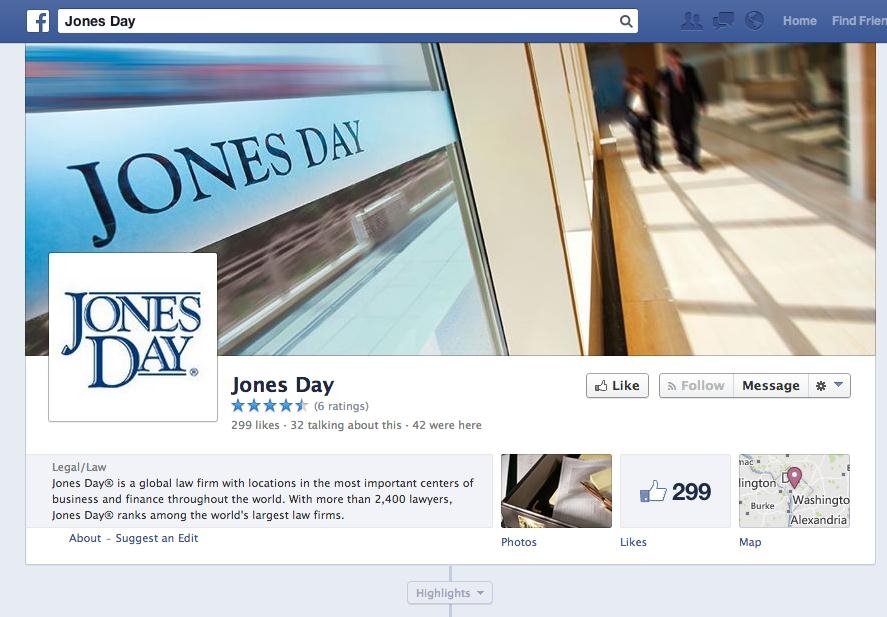
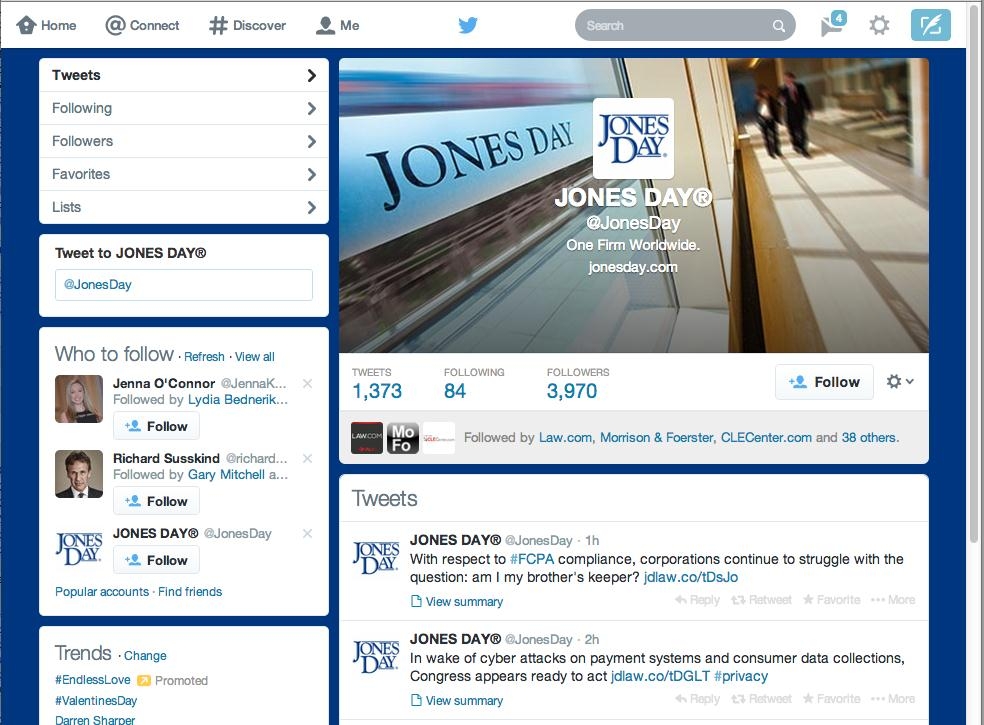
Clients are scanning for information rather than reading multiple lines of text online. One great way to get and hold their attention is by leveraging dynamic photos and images online that tell a story or spark curiosity to linger a little longer. Whether uploading a photo of your recent client event to your firm’s Facebook page with a short caption, or using pictures to represent your services on LinkedIn, images are the key to standing out online.
Below you can see how a firm like Jones Day consistently customizes their social media pages for LinkedIn, Facebook and Twitter.
By Kristin Keen, Marketing and BD Maven and Elaine Noble, President, Noble Pursuits LLC for the January/February issue of Capital Ideas.